
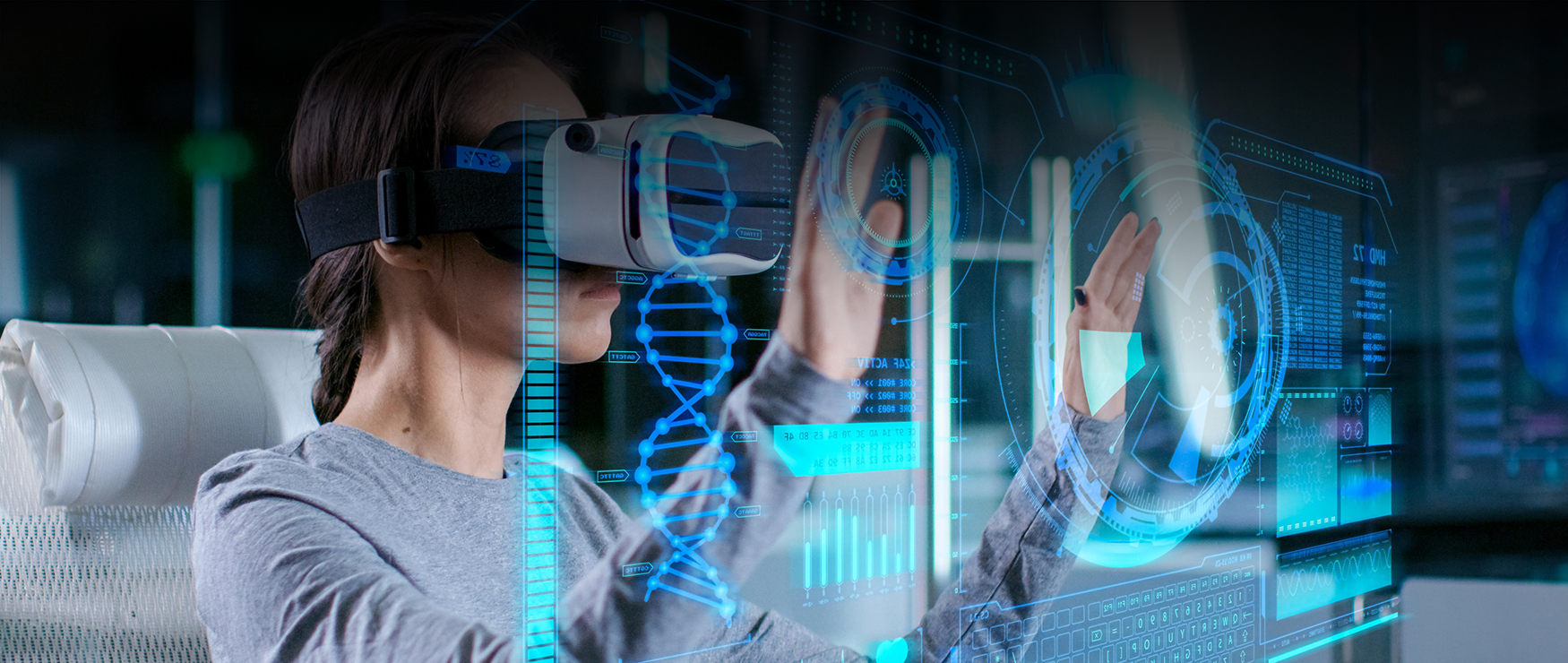
In an era where attention spans are shrinking and the thirst for interactive experiences is growing, conventional learning methods face challenges. People no longer want to absorb information passively; they yearn for engaging, immersive experiences that transport them to different realities, allowing for hands-on learning. The payoff is measurable: in a large PwC study, VR learners trained up to 4 times faster than in a classroom and were 275% more confident applying what they learned.
Virtual reality (VR) emerges as the ideal solution, bridging the gap between passive knowledge intake and active learning. With its ability to create lifelike simulations and interactive environments, VR is reshaping the educational field, offering a fresh approach to age-old teaching methodologies. As VR technology matures, specialized experts like Program-Ace, a virtual reality training company, channel their decades of experience into crafting tailored VR training solutions. These solutions are more than modern; they are reshaping how organizations perceive and approach training, setting the stage for a future where learning is as much an experience as education.
The evolution of learning and the rise of VR
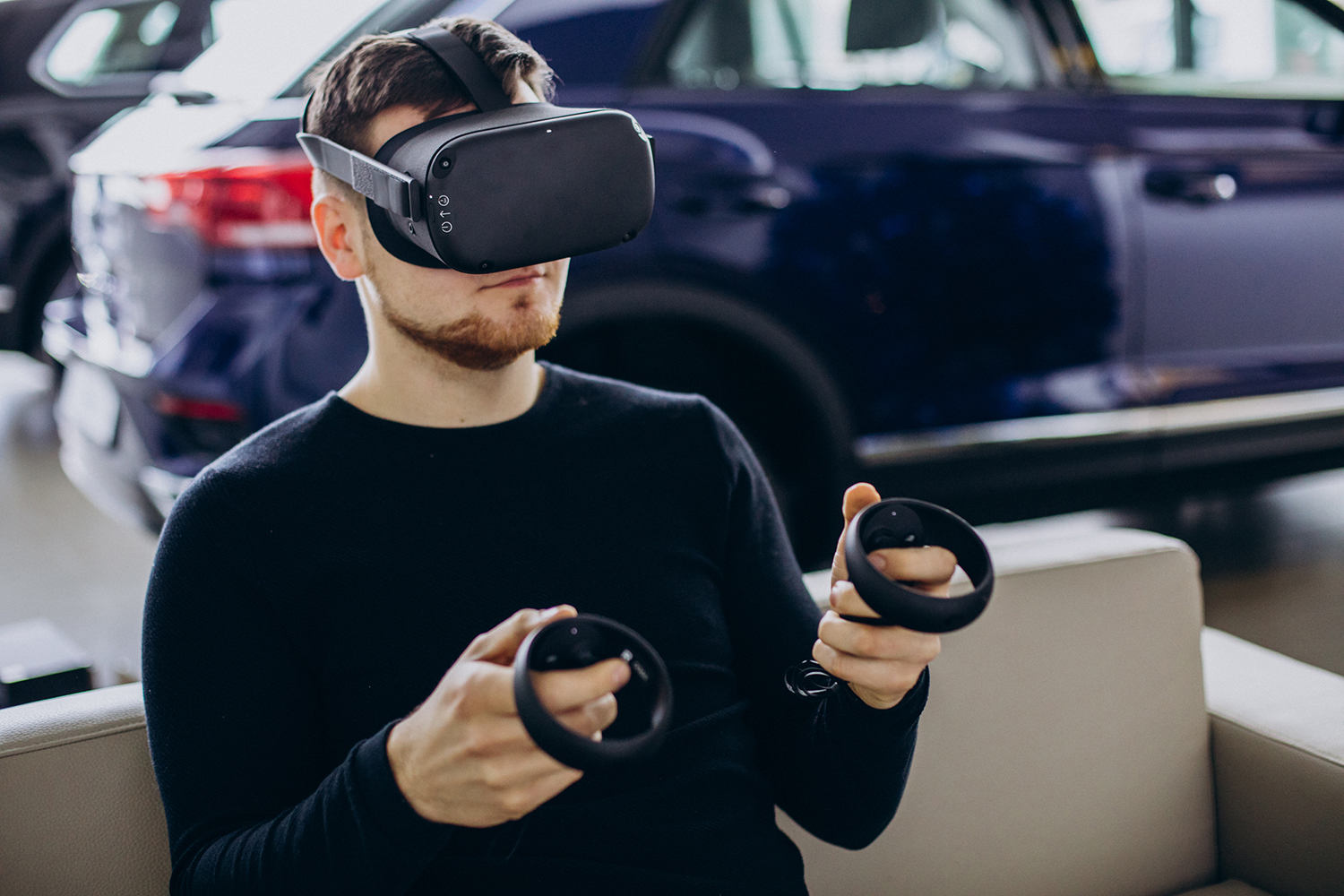
Historically, the human approach to learning has been a journey of constant evolution. Each phase brought forth a unique method of preserving and transmitting knowledge, from oral traditions and storytelling around fires to the written word in scrolls and books. The invention of the printing press democratized access to information, while the digital age further expanded this reach, bringing learning to the fingertips of many through computers and the internet.
However, a new, immersive form of learning beckoned in this digital age – one that could holistically stimulate the senses, and its name is virtual reality. Unlike traditional mediums, VR does more than just convey information; it immerses learners. This technology enables individuals to step into detailed simulations, experiencing lessons first-hand and learning by doing.
The rise of VR in education isn’t just a technological fad. It’s a reflection of the broader societal shift towards experiential learning. With specialized companies like Program-Ace using their expertise, VR is swiftly moving from an experimental tool to a mainstream educational resource, solidifying its place in the pantheon of transformative learning mediums.
The role of virtual reality training companies in developing and implementing VR training solutions
Virtual reality has rapidly emerged as a potent tool for immersive learning, but realizing its full potential requires specialized expertise. This is where VR training companies come into play. Their intricate knowledge and experience are fundamental to ensuring that the application of VR is both technically sound and educationally impactful.
These companies bridge the gap between raw technological capabilities and tangible educational outcomes. They oversee every aspect, from initial concept and design to development and the integration of VR within traditional learning structures. By combining their technological know-how with a deep understanding of pedagogical needs, these entities ensure that the created VR solutions don’t merely dazzle but truly educate.
A prime example of this synergy is Program-Ace. With a legacy spanning 30 years in the IT domain and a consistent emphasis on R&D, the company has distinguished itself by crafting custom VR learning experiences. Rather than merely grafting VR onto existing educational models, Program-Ace’s ethos revolves around reshaping the very paradigm of learning. The firm ensures a smooth and intuitive VR experience woven organically into broader educational frameworks by emphasizing custom virtual training and simulation-based learning.
In the grand scheme, VR is more than just a novel learning medium, it’s a transformative force. The VR training companies are the catalysts, driving this transformation and ensuring learners receive engaging and practical experiences.
The guideline for designing immersive learning
Designing immersive learning experiences with virtual reality is a nuanced process. It goes beyond just technology; it encompasses understanding learners’ needs, curating the content, and ensuring the experience is engaging and educational. Here is a guideline to effectively design immersive learning.
1. Understand the Learning Objectives
Before venturing into the world of VR, pinpoint what you want the learners to achieve. Are you aiming for skill acquisition, knowledge transfer, or attitude change? Having a clear objective will guide the design process.

2. Know Your Audience
Immersive learning can be tailored for different age groups, professions, and learning capacities. Understanding your audience’s demographics, prior knowledge, and tech-savviness is crucial.
3. Choose the Right VR Platform
Decide whether a fully immersive VR, augmented, or mixed reality system would be most effective, depending on the objectives and audience.
4. Design the Learning Environment
Using insights from Program-Ace’s vast experience, create an environment that’s realistic, relevant, and engaging. Ensure the virtual world aligns with real-world objectives for maximum transferability.
5. Incorporate Interactivity
Immersive learning thrives on engagement. Include elements like clickable objects, draggable items, or interactive simulations. Encourage learners to explore, experiment, and engage.
6. Blend VR with Traditional Learning
Remember, VR is a tool, not the entire curriculum. Integrate it with traditional learning methods like discussions, assessments, and feedback sessions.
7. Test the VR Experience
Before full-scale implementation, test the VR module. This can reveal technical glitches, content gaps, or user experience issues.
8. Gather Feedback and Iterate
After initial testing, gather feedback from a sample audience. Refine the content, interactivity, and technical aspects based on this feedback.
9. Ensure Accessibility
Ensure your VR learning module is accessible to all, including those with disabilities. This might involve adding voiceovers, subtitles, or alternative navigation options.
10. Monitor and Update
The world of VR and the needs of learners are continually evolving. Periodically review and update the content to stay relevant and practical.
11. Seek Expert Guidance
Collaborate with established entities in the VR space, like Program-Ace. Their expertise in custom virtual training solutions can raise the learning experience, ensuring educational depth.
Incorporating these guidelines will pave the way for a complete and engaging VR learning experience. By melding technological capabilities with sound pedagogical practices, you can create an immersive learning module that resonates with learners and effectively imparts knowledge or skills.
Customization of VR training for diverse audiences
Customization lies at the heart of a practical VR training experience. A one-size-fits-all approach seldom works, mainly when catering to diverse audiences with varying needs and expectations.
-
User Profiling
Gather data on your target audience before creating VR content. Understand their learning styles, cultural backgrounds, and technological proficiency. By comprehensively profiling users, you can create VR scenarios that resonate with them. -
Content Modularity
Develop modular VR content. This allows trainers or educators to tailor the training sessions based on specific needs, picking and choosing relevant modules for different audience segments. -
Localization
If you’re catering to a global audience, consider the cultural nuances. Translate and adapt VR content, ensuring it’s culturally sensitive and relevant. This can range from language translations to altering virtual environments based on regional preferences. -
Adaptive Learning Paths
Program-Ace recommends designing VR training that adapts in real-time. If a learner struggles with a particular section, the system can offer additional resources or adjust the difficulty level. -
Feedback Mechanisms
Integrate feedback mechanisms within the VR experience. Gather user insights and refine the training modules accordingly, ensuring they’re continuously optimized for the intended audience.
Through customization, VR training becomes more than a technological standout; it reshapes into a potent tool that speaks directly to the learner’s needs, enhancing engagement and retention.
Industries and sectors where VR training companies have made a significant impact
Adopting VR training transcends numerous sectors, refresh traditional practices with immersive experiences. Companies like Program-Ace have been at the forefront, helping industries unlock new potentials in training through VR.
Here’s a glimpse of the myriad industries embracing this technology and specific use cases illustrating their applications:
Education
Simulation of historical events, virtual field trips, and complex scientific experiments.
Medicine
Surgical simulations, patient care scenarios, and anatomy visualization.
Machinery & Banking
Virtual machinery operation, bank simulation training visualizing elements of intricate transactions.
Construction
Virtual project planning, safety drills, and equipment handling simulations.
Manufacturing
Machine operation training, assembly line simulations, and safety protocol education.
Safety & Evacuation
Fire drill simulators, disaster management training, and safety protocol walkthroughs.
Transportation
Flight and car simulator training, route planning, and virtual vehicle maintenance tutorials.
Military & Police
Combat scenarios, strategy planning, and police situational training.
Oil and Gas
Oil rig operation training, disaster management, and safety drills specific to the sector.
Get in touch with us.
Technologies and innovations that a virtual reality training company can use
Integrating VR in training environments has more than been about simulating real-world scenarios. It’s also about using various supplementary technologies to raise the learning experience, making it richer, more interactive, and profoundly effective.
Virtual simulations
Simulation-based training is the bedrock of VR. It creates virtual environments that mimic real-world scenarios. Users can immerse themselves, interact with objects, and carry out tasks, ensuring they have practical experience before they step into the real-world setting. For instance, Program-Ace’s interactive training of the engine control unit is a proof to the prowess of simulation-based training.
Serious games
Serious games blend the engagement of gaming with the seriousness of learning. By gamifying the training process, learners often find themselves more motivated and immersed. It’s about not only achieving a task, but also enjoying the journey towards it and gaining new skills and knowledge along the way. The result? Improved retention and better skill acquisition.
Virtual laboratories
Virtual labs provide learners with a safe space to conduct experiments, especially those that might be too dangerous or expensive in the real world. These labs aren’t confined by physical limitations, allowing students to test, learn, and iterate, fostering a deep-rooted understanding of complex subjects without encountering an actual hazardous environment before being fully ready to face it.
Biometric monitoring
Integrating biometric monitoring with VR training offers a unique advantage. By tracking users’ physical responses during training sessions, such as heart rate or eye movement, trainers can gain insights into learners’ engagement levels, stress points, and areas of interest. This data can be central in refining the training modules, ensuring they’re informative and engaging.
Remote training solutions
The global pandemic accentuated the need for remote solutions, and VR training companies quickly adapted. With remote VR training, learners from different parts of the world can immerse themselves in the same virtual environment, collaborating, learning, and interacting in real time. It’s about breaking geographical barriers and fostering a sense of unity and collaborative learning.
As Program-Ace emphasizes, the secret sauce in creating a compelling VR training solution is about not only using the power of VR but complementing it with these innovative technologies. The synergy results in a holistic learning environment where learners are motivated, engaged, and primed for success.


Incorporating these technologies isn’t a mere trend but necessary for modern training solutions. They enable VR training companies to offer tailored solutions that address specific needs, challenges, and objectives, ensuring that learning isn’t just an activity but an experience.
How VR training companies help organizations overcome VR-related challenges
As transformative as VR has been for training and education, its adoption doesn’t come without challenges. The path to VR integration can seem daunting, from technological hurdles to cognitive barriers. However, VR training companies are central in navigating these challenges, ensuring organizations reap the benefits without the headaches.
- Hardware and software integration. One of the significant challenges is ensuring compatibility between various hardware devices and the tailored VR software. Companies like Program-Ace guide organizations in selecting the right tools and ensuring smooth integration, eliminating technical hiccups.
- User comfort and safety. Prolonged exposure to VR can sometimes cause discomfort or motion sickness for users. VR training companies address this by designing user-friendly interfaces, optimal session lengths, and intuitive navigation techniques, enhancing user comfort.
- Content development. Crafting compelling and engaging VR content is an art. With their deep-rooted experience in virtual training and simulation, companies ensure that the content is not only immersive but also pedagogically sound.
- Scaling and updating content. As industries evolve, so does the need for updated training modules. VR training companies offer scalable and easy-to-update solutions, ensuring that training content remains relevant and timely.
- Managing costs. Initial VR setup can be capital intensive. However, by using their industry know-how and partnerships, VR training companies can provide cost-effective solutions without compromising quality.
By addressing these challenges head-on, VR training companies like Program-Ace, ensure that organizations can transition smoothly to VR-based training. They act as the bridge between the technological promise of VR and its practical implementation, driving both efficiency and efficacy in organizational training endeavors.
Future trends and innovations in VR-based learning
Virtual reality has already reshaped the training and learning field, but as with all technological innovations, it continues to evolve rapidly. Organizations keen on staying ahead of the curve must be aware of the emerging trends and innovations in VR-based learning.
- Extended Reality (XR). XR, a collective term for Augmented Reality (AR), Virtual Reality (VR), and Mixed Reality (MR), is set to offer more immersive and interactive experiences. Instead of just VR environments, learners will soon engage with layers of augmented information overlaid on real-world visuals.
- Adaptive learning environments. Powered by Artificial Intelligence (AI), future VR training modules will adapt to a learner’s progress in real-time, ensuring personalized learning pathways that cater to individual strengths and weaknesses.
- Integration of biometrics. Integrating biometric feedback into VR learning platforms will offer a deeper understanding of learners’ emotional and cognitive states. This can lead to real-time content adaptation, ensuring optimal engagement and retention.
- Collaborative VR learning. Remote VR classrooms where learners from across the globe can interact with each other in a shared virtual space are on the horizon. This opens doors for global collaboration and cross-cultural learning experiences.
- Portable and affordable VR. As technology becomes more accessible, we’ll see the emergence of more affordable and portable VR headsets, broadening the reach of VR-based learning to wider audiences.
With its forward-thinking approach, Program-Ace remains attuned to these advancements, ensuring its clients are always ahead in the VR learning curve. As the future unfolds, the convergence of these innovations promises a more prosperous, practical, and inclusive learning experience for all.

Enhance your training capabilities with Program-Ace, an experienced virtual reality training company
Using the capabilities of virtual reality for training is about not only using technology; it’s about creating impactful and memorable learning experiences. VR’s immersive and interactive nature redefines traditional training methods, offering both trainers and trainees unparalleled advantages.
Program-Ace, a software development company backed by 30 years of industry leadership, understands businesses’ unique challenges when integrating VR into their training modules. Our commitment to innovation and deep understanding of effective learning strategies ensures our VR solutions deliver tangible outcomes tailored to your needs.
Ready to reshape your training approach and gain a competitive edge? Reach out and contact us. We can craft learning experiences that resonate, engage, and deliver.