Author

Founder & CEO at Program-Ace
Immersive construction training gives your teams clear, repeatable ways to build skills and perform tasks with fewer errors. Our specialists focus on measurable outcomes, yet we also pay close attention to how workers absorb information and apply it on active sites. As a result, your organization gains a training process that removes guesswork and encourages steady progress.
Construction virtual reality training strengthens this approach because crews can rehearse operations, examine the consequences of their decisions, and work through complex steps without downtime or exposure to unsafe conditions. Our team connects each simulation to the equipment, standards, and procedures your projects already require, which helps workers move from practice to real tasks with confidence.
Workers also benefit from consistent instruction across multiple locations, since VR scenarios stay uniform regardless of where your teams operate. You gain a reliable method for improving coordination, reducing rework, and shortening the time needed for new employees to reach full productivity.
Personal development also improves, as immediate feedback helps people adjust their methods more quickly. Our goal is to give your workforce tools that support steady performance growth and help your projects avoid unnecessary interruptions.
Various Types of Immersive Construction Training
Immersive construction training now covers a wide range of needs, from basic refreshers to advanced practice on complex tasks. Your organization can combine classroom instruction with digital tools that help people rehearse risky operations without endangering projects.
Many teams start with simple scenario practice and then move toward hard skills training solutions that rely on VR, AR, and simulators to mirror real job sites. As a result, crews gain confidence step by step, while managers keep better control over quality, safety, and time to readiness across locations.
VR Scenarios That Prepare Workers for Safety, Equipment, and Environmental Challenges

VR gives crews a safe place to repeat tasks, test decisions, and handle demanding environments without facing live hazards. Workers progress faster once the scenarios reflect the equipment, site layout, and operational patterns they encounter on actual projects. Many organizations treat VR as a core part of hard skills training because controlled repetition builds confidence before workers step onto the job site.
Value becomes clearer when VR sessions mirror common challenges in VR in construction projects:
| Focus area | VR benefit |
| Safety procedures | Frequent practice without exposure to risk |
| Equipment control | Immediate correction of incorrect actions |
| Complex workflows | Reliable reinforcement of multi-step tasks |
Crews carry this experience into real operations with better reaction time, fewer errors, and a more predictable rhythm during high-pressure tasks.
AR Tools That Support On-site Guidance, Maintenance, and Real-time Problem Solving

AR overlays instructions directly onto real equipment, helping workers understand each step with far less hesitation. The guidance remains visible during the task, which reduces the need to switch between tools or reference materials. Many teams adopt augmented reality training to streamline inspection, assembly, and maintenance, especially in environments where precision matters.
The primary functions usually make AR most effective:
- Part identification. Highlights the exact component that needs attention.
- Step prompts. Shows actions in the correct order as the task continues.
- Correction cues. Signals skipped or incorrect steps in real time.
Fewer mistakes occur because workers have support at the moment they need it, and new employees reach independence more quickly.
Full-scale Simulators for Cranes, Lifts, and Specialized Machinery Operations

Full-scale simulators closely recreate machine controls, load response, and visibility constraints, so operators feel real pressure without real risk. Instead of learning on active equipment, your team can first build coordination, timing, and awareness in a controlled space where mistakes cost nothing. That shift alone already reduces fuel use, lowers machinery wear, and reduces the risk of early incidents with new staff.
To keep the simulator use practical and measurable, your company can follow a simple progression:
- Baseline evaluation. Defines each operator's starting level, including control smoothness and reaction to everyday scenarios.
- Scenario expansion. Introduces tighter spaces, heavier or shifting loads, and more demanding visibility conditions step by step.
- Readiness confirmation. Confirms that operators apply safe habits consistently before they move to live equipment.
Handled in this way, simulators turn simulation training into a repeatable process that supports onboarding, upskilling, and periodic refresh checks without disrupting daily site work.
Upgrade your virtual construction training with our pros
Why Modern Virtual Construction Training Matters for Operational Success
Virtual construction training now influences how smoothly crews advance from basic orientation to full operational readiness. Projects move faster once workers gain early exposure to realistic tasks, and digital tools make that step far easier to control.
Companies adopting immersive training gain the advantage of repeatable practice, steady feedback, and safer conditions for workers who must master equipment before using it on-site. Momentum builds as new hires reach competence sooner, coordination between trade groups improves, and field supervisors spend less time correcting preventable mistakes.
Rising Skill Requirements Across All Project Stages
Skill expectations rise across nearly every phase of construction, from early excavation to final commissioning. Crews must understand machine behavior, follow detailed sequences, and identify risk markers with far more accuracy than before. Virtual training supports that shift by giving workers structured exposure to tasks that would normally slow down the field. The learning curve becomes easier to manage once workers rehearse difficult steps without pressure.
Several factors now push skill needs higher:
- Complex equipment. Modern machines demand stronger control accuracy.
- Compressed schedules. Faster timelines leave less room for on-site trial and error.
- Tighter quality requirements. Minor deviations create expensive downstream issues.
Virtual preparation creates a smoother path into real operations because workers begin each shift with clearer expectations and stronger technical grounding.
The Hidden Costs of Skill Gaps and Delayed Readiness
Skill gaps rarely appear in one dramatic moment; they accumulate quietly through slow task execution, repeated clarifications, and small but persistent mistakes. Field productivity drops long before anyone realizes a training problem exists. Virtual instruction reduces these losses because workers correct misunderstandings in a controlled environment rather than during active operations.
Several cost drivers become more visible once readiness falls behind:
- Rework cycles. Misalignment or incorrect sequencing forces teams to revisit completed tasks.
- Equipment misuse. Poor control habits shorten machine life and increase maintenance.
- Schedule drag. Supervisors spend time addressing avoidable issues instead of advancing work.
Virtual preparation cuts those drains early, giving your crews a more confident start and reducing the burden placed on field management.
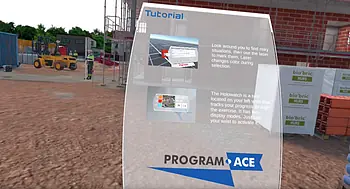
Immersive Training in Construction: From Manuals to Simulators
Construction training now blends physical tasks with digital tools that speed up learning and reduce on-site disruption. Workers no longer depend solely on printed manuals, since VR solutions, interactive guides, and simulators offer clearer demonstrations and safer practice.
Some teams also integrate elements of soft skills training, such as communication and situational awareness, because technical tasks often fail without coordinated decision-making. As digital content expands, onboarding becomes more predictable, performance stabilizes across crews, and skill growth follows a more consistent pace.
Why Simulation Lowers Training Risk and Accelerates Skill Adoption
Simulation lets workers explore demanding construction tasks without the pressure linked to real equipment. Crews gain the freedom to practice movements, adjust timing, and correct errors at their own pace, which naturally speeds up learning.
The absence of physical risk also helps new operators focus on technique rather than worry about damaging machines or interrupting field operations. Over time, the practice builds more decisive judgment and more reliable reactions in high-stakes situations.
Three elements tend to shape progress:
- Gradual complexity. Difficulty rises in measured steps, giving workers time to absorb each skill.
- Guided experimentation. Trainees explore different approaches and quickly see which choices work best.
- Immediate clarity. Feedback appears right away, reducing confusion and shortening correction cycles.
Simulation becomes a practical tool for both new and seasoned workers because it protects project schedules, lowers equipment strain, and supports faster movement toward field-ready performance.
How Digital Content Improves Standardization Across Multiple Sites
Digital training content creates one shared reference point for every construction crew, no matter where they operate. Workers follow the same instructions, view identical demonstrations, and rely on unified expectations for safety and equipment handling. That consistency reduces rework, limits variation between locations, and helps supervisors maintain stable performance across shifts. As updates roll out digitally, all sites receive new protocols simultaneously, preventing misalignment across teams.
The shift to digital resources also supports smoother project execution. Clear visual material removes ambiguity, while structured explanations reduce the need for repeated clarification during stressful job phases. Crews move through tasks with greater confidence because they understand exactly what is expected before stepping onto active sites.
A small set of benefits consistently strengthens standardization: improved clarity, synchronized updates, and shared evaluation criteria. Together, these elements help project leads coordinate teams more effectively and maintain predictable quality across large operational footprints.
Construction Safety Training as a Core Productivity Factor
Safety performance often determines how smoothly a construction project progresses, since even small incidents can slow entire workflows. Crews work more efficiently when safety habits become automatic, and structured training helps build that reflex early.
Programs that combine hands-on instruction with virtual learning training create a more predictable path from beginner to site-ready worker. Updates to procedures reach teams faster, communication becomes clearer, and supervisors spend less time managing preventable hazards. As workers apply consistent safety practices, project schedules stabilize, coordination improves, and productivity rises across every phase of the build.
High-risk Scenarios That Require Structured Safety Interventions
High-risk situations demand more than basic orientation because the pace of construction leaves little room for error. Work at height, heavy equipment movement, and chemical exposure all require workers to anticipate danger before it develops.
That level of awareness grows quicker when training introduces each hazard gradually and explains how risks escalate during routine operations. By the time crews step onto the site, they already recognize visual cues, understand how conditions can change, and know which actions prevent escalation.
To support that progression, several areas typically receive focused attention:
- Height exposure. Edges, scaffolds, and access points that raise fall potential.
- Mechanical interaction. Blind spots, swing paths, and unstable loads.
- Hazardous materials. Storage issues, spills, or incorrect handling.
When workers gain familiarity with these scenarios beforehand, the field environment feels more predictable, and teams respond with greater confidence.
How Standardized Safety Protocols Improve Site Efficiency
Safety rules influence productivity by eliminating unnecessary pauses throughout the day. Once everyone follows the same steps, conversations shift from "how should we do this?" to "let's proceed with the next task." That clarity reduces confusion and strengthens coordination between trades working in the same area.
Additionally, standardized protocols lower rework rates, since workers rely on identical checklists and guidance rather than personal interpretations of best practices.
Efficiency gains become visible in several ways:
- More reliable handoffs. Crews transition between tasks without having to renegotiate procedures.
- Fewer interruptions. Misunderstandings decline, and supervisors spend less time correcting preventable mistakes.
- Stronger pace control. Work advances smoothly because everyone understands the same sequence.
When teams operate with shared expectations, overall output improves, and schedules become far easier to maintain.
Linking Safety Improvements to Insurance, Claims, and Lost Time Metrics
Safety improvements often start on the job site, yet their financial impact reaches far wider. A stronger safety record reduces the likelihood of claims, shortens recovery periods, and lowers the administrative burden tied to incident reporting. Insurers closely track these metrics, so gains in training quality can help position an organization as a lower-risk partner. With fewer claims and milder incident severity, premium adjustments often work in the company's favor over time.
Several connections typically emerge:
- A lower injury frequency reduces the volume of claims submitted.
- Better incident response minimizes damage and shortens downtime.
- Stable reporting patterns strengthen negotiations during insurance reviews.
When improvements compound year after year, insurers begin to view the organization as predictably safe, thereby strengthening financial stability and long-term planning.
Evaluation Tools That Translate Training Outcomes Into Financial Indicators
Training becomes far more valuable when its effects can be measured in terms that leadership cares about. Digital assessments, on-site observation tools, and incident-trend dashboards help translate classroom and virtual performance into operational results. As data accumulates, teams can compare pre-training and post-training behavior, identify where workers still struggle, and forecast how safety improvements will influence future costs.
A couple of tools often support that analysis:
- Performance trackers that measure precision, timing, and task completion rates.
- Behavior monitoring systems that record how consistently safety steps are followed.
- Trend reports that reveal how incidents change over time.
Combined, these insights form a financial picture: fewer equipment repairs, lower rework, reduced delays, and more favorable insurance metrics. Over time, organizations use this data to justify training investments with clear evidence rather than assumptions.
Construction Equipment Training Built for Today's Machinery
Modern machinery demands far more precision than older equipment, so operators need training that keeps pace with faster cycles, tighter tolerances, and advanced control systems. Digital tools now help crews understand machine behavior before entering active work zones, reducing early mistakes and improving confidence.
As training becomes more accessible across shifts and locations, teams gain a shared understanding of how to handle loads, adjust controls, and recognize warning signs. Stronger operator performance supports smoother scheduling, fewer delays tied to mechanical misuse, and more predictable productivity throughout the project timeline.
Reducing Equipment Downtime Through Better Operator Skills
Unplanned downtime often traces back to operator habits rather than mechanical failure. Smooth control inputs, careful load handling, and proper warm-up procedures reduce equipment strain and extend its operating life. When workers understand how machines respond under different conditions, they make better decisions and avoid the kind of misuse that leads to breakdowns. Virtual practice and simulator-based scenarios reinforce those habits without exposing real equipment to learning-related wear.
A few areas consistently influence downtime reduction:
- Control precision. Stable inputs prevent unnecessary stress on hydraulic and electrical systems.
- Load awareness. Operators learn how shifting weight affects machine balance and component fatigue.
- Maintenance cues. Early recognition of abnormal sounds or movement leads to faster intervention.
As crews improve in these areas, field equipment experiences fewer unexpected stoppages. Projects move with a steadier rhythm, supervisors spend less time rearranging schedules, and repair teams can focus on planned maintenance instead of urgent fixes that derail daily operations.
Practical Training Methods That Increase Machine Utilization
Higher machine utilization depends on how confidently operators perform tasks across varied conditions. Clear, hands-on practice prepares workers to transition between soil types, weather changes, and load variations without slowing production.
Digital content then reinforces those lessons by showing correct sequences, highlighting key checkpoints, and demonstrating the full range of machine capabilities. When crews can rehearse a task in several formats, the learning curve shortens, and equipment can be deployed more consistently throughout the day.
Different methods contribute to stronger utilization:
- Scenario-based simulation. Operators explore unfamiliar tasks safely before performing them on-site.
- On-equipment guidance. Digital prompts walk workers through complex sequences with fewer errors.
- Micro-drills. Short, focused practice sessions refine control skills without interrupting field work.
As proficiency rises, idle time decreases, and machines stay productive for longer portions of each shift. Those gains often compound across the fleet, resulting in a more predictable workload and better use of available equipment resources.
The Shift Toward Comprehensive Construction Training Programs

Construction teams now require a broader blend of abilities, and training must keep pace with that shift. Technical tasks, safety expectations, and on-site coordination influence each other constantly, so fragmented instruction no longer supports reliable performance.
A unified training approach encourages workers to see how their actions affect surrounding crews and project flow. Digital formats help by delivering consistent explanations and demonstrations, regardless of location or role. The overall result is tighter control of worker readiness, fewer skill gaps across shifts, and a more direct path from initial learning to dependable field execution.
Integrating Technical, Safety, and Supervisory Skills into One Track
Construction work reaches its full potential when technical accuracy, safe behavior, and team coordination operate in sync. Training that treats these areas separately often leaves workers prepared in one dimension but uncertain in another. A single training track avoids that problem by showing how machine control, hazard awareness, and communication habits intersect during real tasks. Each role gains clarity about how their decisions influence the broader workflow, strengthening both awareness and accountability.
Many organizations build integrated tracks in stages. Technical instruction gives workers a functional foundation, safety content reinforces choices that prevent incidents, and supervisory lessons introduce timing, delegation, and communication patterns that keep activities aligned.
Trainees then start recognizing how equipment behavior, site conditions, and team dynamics interact throughout the day. Workers move into the field with more confidence, and supervisors receive crews that adapt smoothly to routine changes without slowing progress.
Metrics That Determine Program Quality and Long-Term Value
Training quality becomes easier to judge once organizations rely on measurable indicators rather than general impressions. Strong programs produce consistent improvements across technical, safety, and operational areas, and those outcomes must be visible in day-to-day performance.
Completion rates alone cannot show whether workers apply skills correctly, so evaluations focus on behaviors and results that appear during real tasks. Clear metrics also help leaders identify where additional instruction is needed and which training methods deliver the strongest return.
Key indicators usually fall into four groups, each reflecting a different dimension of workforce readiness:
- Technical performance. Accuracy, task completion time, independence level, and error reduction.
- Safety behavior. Near-miss trends, incident frequency, equipment-handling quality, and PPE compliance.
- Operational reliability. Rework reduction, smoother shift handoffs, workflow continuity, and equipment uptime.
Development impact. Time-to-competency, retention of new skills, and steady improvement across training cycles.
Organizations that track these areas gain a clearer view of how training supports workflow stability, project scheduling, and long-term productivity. Over time, the data forms a strong foundation for budget planning and strategic decisions about expanding or refining training programs.
Virtual Construction Equipment Training for Heavy Machinery Upgrades
Heavy machinery evolves quickly, and crews preparing for upgraded cranes, loaders, and excavators need training that reflects the capabilities of modern equipment. Virtual instruction helps workers understand new control layouts, improved safety features, and updated operational limits before the machines arrive on-site.
That early exposure shortens adaptation time and reduces interruptions to fieldwork. Once operators gain familiarity through guided virtual practice, supervisors can introduce live equipment with far less risk of misuse. Projects benefit through smoother rollouts, fewer learning-related delays, and more confident operation across shifts.
Preparing Teams for New Generations of Cranes, Loaders, and Excavators
Heavy machinery upgrades often bring new control systems, sensor feedback, stability functions, and operating modes. Crews need time to adjust, and virtual training gives them a chance to explore these features without slowing production.
Workers can rehearse precision movements, switching between views, adjusting lift paths, or managing load distribution until the controls feel natural. That preparation reduces early-stage hesitation, which is a common source of delays during machinery transitions.
Training often focuses on three areas that help operators adapt smoothly:
- System familiarity. Workers explore control layouts, interface changes, and optional safety functions.
- Movement accuracy. Operators refine small adjustments that influence balance, reach, and lift timing.
- Scenario transfer. Crews practice situations they will encounter once the upgraded machinery enters daily use.
The combination produces teams that approach new machines with confidence rather than caution. Field supervisors then spend less time compensating for unfamiliarity, allowing the project to continue without the typical slowdown that follows major equipment updates.
Assessment Models That Predict Real-World Operator Performance
Training carries more value when supervisors can estimate how workers will perform under real conditions. Assessment models help close that gap by tracking behaviors that strongly correlate with safe, efficient equipment operation.
Virtual environments allow organizations to measure techniques without exposing machinery or personnel to risk. By collecting data on timing, control input consistency, task completion patterns, and reaction to unexpected events, trainers gain insight into how each operator behaves under pressure.
A reliable assessment structure often includes several dimensions:
- Control precision. Smooth, stable movements indicate readiness for sensitive tasks.
- Decision quality. Effective responses to hazards or load changes reveal situational awareness.
- Task flow. Efficient sequencing shows whether workers understand optimal machine operation.
- Adaptability. Strong adjustments during unpredictable conditions reflect real-site resilience.
Once these indicators are tracked over time, supervisors can match operators to tasks that suit their strengths, identify areas needing further instruction, and forecast how training investments will influence long-term productivity. The result is a clearer picture of team capability before equipment reaches the field.
Structured Immersive Construction Training Programs for Supervisors and Crew Leads

Supervisors and crew leads shape the rhythm of day-to-day construction work, so their training needs go far beyond technical awareness. Immersive instruction helps them understand how to guide teams, resolve conflicts quickly, and keep multiple activities aligned under tight deadlines.
Virtual scenarios also give leaders a safe place to test communication strategies before applying them on active sites. When supervisors build these habits early, crews receive clearer direction, coordination improves, and project flow becomes steadier across shifts.
Communication and Coordination Skills That Reduce Rework
Field communication often determines whether a task is completed the first time correctly. Misunderstandings about sequencing, equipment movement, or hazard locations frequently lead to rework, and even small errors slow progress across multiple teams.
Immersive training strengthens supervisor communication by showing how instructions can change outcomes in realistic site conditions. Leaders practice giving brief, structured guidance and see how workers respond when information is incomplete or unclear.
Several communication areas have the strongest influence on rework reduction:
- Clarity of direction. Workers perform tasks correctly when instructions align with actual site constraints.
- Crew synchronization. Coordinated actions reduce the risk of duplicated effort or conflicting movements.
- Real-time adjustments. Quick updates prevent incorrect work from continuing when conditions shift.
Supervisors who refine these skills in immersive environments bring more consistency to field operations. Crews understand expectations earlier in each task, and work proceeds with fewer interruptions and far less corrective effort.
Decision-Making Scenarios That Strengthen Leadership in the Field
Supervisors handle a steady stream of decisions, and many choices affect cost, safety, and scheduling, even when the consequences are not immediately visible. Immersive decision-making training offers a controlled space where leaders can test reactions to shifting site conditions, equipment conflicts, or unexpected hazards. The format reveals how one decision influences multiple crews, which helps supervisors understand patterns that often take years of field experience to recognize.
| Scenario Type | What Leaders Practice | Impact on Field Performance |
| Workload balancing | Distributing tasks across crews without creating bottlenecks or overload | Smoother execution, fewer delays, and better pacing between teams |
| Hazard prioritization | Identifying risks quickly and deciding when intervention is necessary | Faster mitigation, safer workflows, and reduced exposure to preventable incidents |
| Schedule protection | Spotting early signs of disruptions and redirecting resources | More stable project flow and fewer cascading delays |
Supervisors who work through these scenarios build sharper judgment and a deeper understanding of how daily choices shape project outcomes. They enter the field with clearer situational awareness, stronger coordination habits, and more confidence when guiding teams through demanding operations.
Improving Workforce Retention Through Strong Construction Training Foundations
Retention improves when workers feel supported, capable, and confident in their daily responsibilities. Strong training foundations help reach that point by giving crews a clear understanding of equipment, safety expectations, and workflow demands before they enter high-pressure environments.
Virtual and hands-on instruction also reduces early frustration, one of the most common triggers of turnover. When training connects role requirements with realistic practice, workers integrate faster, contribute sooner, and remain more committed to long-term growth within the organization.
Training's Role in Career Mobility and Internal Skill Pipelines
Career mobility strengthens when workers see a clear path from basic tasks to advanced responsibilities. Training supports that movement by giving employees structured opportunities to expand their skills without stepping away from active projects.
Workers begin with essential field tasks, then gradually take on equipment handling, safety leadership, or coordination responsibilities as they progress through tailored learning paths. That steady development builds a pipeline of workers who understand both the technical and operational aspects of construction.
Organizations often reinforce mobility by mapping skill tiers to concrete milestones. For example, entry-level roles may require proficiency in basic safety procedures, while mid-level positions emphasize equipment operation and job-site coordination.
Supervisory roles rely on communication, planning, and decision-making competencies. Training then becomes the bridge that connects each level, ensuring workers know what is expected before they advance. When employees see a transparent path forward, engagement improves, and long-term retention becomes far more stable.
Reducing Turnover by Building Confidence Early in the Role
Turnover often begins during the first weeks of employment, when workers feel uncertain about expectations or unprepared for real-site challenges. Training can prevent that drop-off by giving new employees a realistic preview of their tasks and enough repetition to develop early confidence.
When workers enter the field knowing how to perform core functions safely, they are less likely to feel overwhelmed. Supervisors also spend less time correcting preventable mistakes, which helps new hires settle into a steady rhythm.
Confidence grows quickly when training covers three early-stage needs:
- Task familiarity. Workers understand fundamental movements, sequences, and safety cues before they face real pressure.
- Environmental awareness. Employees learn what common hazards look like and how conditions change throughout the day.
- Support pathways. Clear guidance helps workers understand where to get assistance and how to communicate issues.
A workforce that feels capable from the start remains more loyal, more consistent, and more motivated to grow within the organization.
How Construction Training Programs Support Multi-Site Expansion
Expansion across multiple sites becomes far more manageable when training programs deliver consistent instruction regardless of geography. Well-structured learning systems help workers in different regions follow the same procedures, operate equipment correctly, and communicate using shared terminology.
Digital platforms strengthen that alignment by delivering updates instantly and ensuring new locations adopt the same expectations as established sites. Organizations entering new markets gain greater control over workforce readiness, fewer performance gaps between crews, and a smoother rollout of operational standards.
Standardizing Training Across Regions with Variable Regulations
Regional regulations often differ in meaningful ways, yet training programs must still provide a unified baseline of skills and expectations. Successful organizations accomplish this by creating a core curriculum that applies everywhere, then layering region-specific adjustments on top.
Workers move through the universal elements first, learning essential equipment handling, safety behaviors, and communication routines that support site-wide consistency. Once that foundation is in place, local requirements become easier to integrate without disrupting overall program structure.
A hybrid approach usually supports this balancing act:
- Core competencies. Crews learn the skills that remain constant across the organization's entire footprint.
- Regulatory additions. Local rules, documentation requirements, or inspection procedures are inserted where needed.
- Update synchronization. Centralized changes flow into regional versions quickly to prevent outdated practices.
When teams follow this structure, organizations maintain compliance while still operating with a uniform training philosophy. Expansion becomes simpler because each new location builds on the same reliable framework rather than starting from scratch.
Ensuring Skill Consistency When Scaling to New Markets
A growing footprint requires predictable performance across all teams, especially when entering regions with different labor pools or equipment availability. Training programs address this challenge by establishing a standard competency path that defines what "field-ready" means for every worker.
Once crews learn the essentials through structured training, supervisors no longer worry about major skill gaps when transferring employees or onboarding new hires. That stability gives management more freedom to focus on strategic planning rather than constant remediation.
Skill consistency strengthens further when programs incorporate several reinforcing elements:
- Shared evaluation tools. Every location uses the same criteria to measure worker readiness.
- Cross-site coaching. Skilled operators help new markets adapt faster through guided practice sessions.
- Digital reference materials. Workers access identical diagrams, safety steps, and task walkthroughs regardless of region.
When these components work together, new markets quickly and reliably adopt the organization's standards. Crews perform tasks at similar quality levels, project outcomes become more predictable, and operational growth continues without dramatic dips in performance.
Better Virtual Construction Training Solutions with Program-Ace
Program-Ace supports construction teams with virtual training solutions that enhance safety, equipment proficiency, and workforce readiness throughout all project stages. The approach combines realistic simulations, clear performance tracking, and tailored content that reflects each organization's operational needs.
As an innovative solutions integrator, Program-Ace adapts training to different skill levels, site conditions, and machinery types, ensuring workers gain confidence before entering the field. Teams benefit from consistent instruction, faster onboarding, and a smoother transition from practice to real-site execution.
Contact us to explore how our virtual training solutions can strengthen your workforce.