
Virtual reality trends in 2026 show how the future of VR is moving from experimental projects to practical business tools. Companies now use VR for employee training, product simulation, remote collaboration, design review, and AI-assisted immersive experiences.
This article reviews the main VR trends shaping enterprise adoption and long-term demand for immersive technology. For businesses planning their next step, understanding these trends often becomes the starting point before engaging a VR development company for long-term implementation.
What are the main virtual reality trends in 2026?
The main virtual reality trends in 2026 are connected with enterprise solutions, wider user adoption, more accessible hardware, easier development, and new VR-tailored services. These changes show how the future of VR is moving from experimental projects to practical business use in training, collaboration, product testing, simulation, and customer-facing experiences.
1) a rise in enterprise solutions
If you thought VR is simply a tool for gaming, this is not true in 2026. Yes, VR is still a dominant force in the gaming industry, but it is also a huge asset for businesses all over the world. The most popular uses of VR within companies involve training, remote collaboration, tests and prototyping, but there are also plenty of creative uses that fall outside these categories. It’s safe to say that thousands of these solutions are in development and the impact of virtual reality will be huge.
2) greater user adoption
Adoption of immersive tools has grown steadily over the past few years. Many companies now use at least one AR or VR solution in everyday work, especially in training, product design, and simulation.
For most organizations, VR is no longer seen as an experiment. It is treated as a practical tool in situations where it makes sense, particularly in staff training and internal collaboration.
3) hardware and devices
The hardware market has become more predictable. Standalone headsets remain the easiest option for most companies, especially when multiple devices need to be deployed across teams. According to an IDC market forecast, shipments of AR and VR devices are expected to continue growing in the coming years, reflecting steady enterprise demand.
The Meta Quest ecosystem continues to evolve, but many organizations now focus more on device management, updates, and integration than on raw performance improvements. Mixed-reality headsets are also becoming more visible in technical and industrial environments.
4) development is easier than ever
Building VR applications is no longer limited to large studios. Many tools that were difficult to access a few years ago are now widely available, and most basic features can be implemented without complex development.
There are more small and mid-sized VR teams on the market than before, which makes it easier for companies to compare options and choose partners. After Apple Vision Pro entered the market, many teams adjusted their workflows rather than starting new projects from scratch.
5) more VR-tailored services
We’ve talked a bit about how VR is helping businesses improve their internal processes, but it’s also important to mention how it is helping them make money. In particular, a whole new market of VR services for consumers and businesses is opening up, with pioneers in this field gaining the opportunity to massively profit. One of these pioneers is Omni One, the ultimate VR gaming system offering unparalleled immersion and total freedom of movement. Users can walk, run, crouch, and jump in a full-body 360-degree experience.
Additional VR trends to watch in 2026
Immersive educational experiences
Virtual reality is mostly used in education for practical training and basic visualization. Medical schools, engineering programs, and technical courses remain the main areas where immersive tools are applied. In many cases, VR appears first in small pilot classes or optional modules rather than across full programs. Some projects continue to develop, while others stop after initial testing. Costs, limited content, and staff training still affect long-term use. In 2026, most institutions treat VR as an additional learning tool, not as a replacement for traditional teaching.
Practical improvements in immersion
Instead of focusing on extreme sensory realism, current development is aimed at stability and comfort. Improvements in resolution, tracking accuracy, and motion handling are more noticeable than experimental features. Haptic accessories and environmental effects exist, but they are used in specific professional or simulation contexts rather than in everyday consumer scenarios. In 2026, realism is measured less by dramatic sensory effects and more by consistency, responsiveness, and technical reliability.
Social VR in professional contexts
Social VR continues to develop, although its use is more structured than initially expected. Virtual meeting spaces and collaborative environments are mainly applied in corporate training, remote teamwork, and event formats. Large public virtual worlds attract interest, but long-term engagement depends on usability and moderation rather than novelty. For many organizations, social VR is treated as an optional extension of existing communication tools rather than a standalone platform.
AI inside VR systems
Artificial intelligence is now part of most modern VR platforms, even if users do not always notice it. It is used for content generation, difficulty adjustment, and data analysis. Some systems rely on AI to build training environments automatically. Others use it to monitor user behavior and suggest improvements. From a business perspective, this reduces development time and maintenance costs.
Adoption of VR in the business world
In many companies, VR is introduced gradually and often without formal programs. Teams test it for specific tasks such as training or design reviews. Some projects continue, others are discontinued after early trials. Budget matters, but internal responsibility matters more. When no one maintains the system, even useful solutions are abandoned. In 2026, most organizations treat VR as a practical tool rather than a symbol of innovation.
Apple Vision Pro in practice
When Apple Vision Pro appeared, reactions were mixed. Some praised the display quality and interface design, while others questioned the price and practical value. Over time, its role became clearer. By 2026, its clearest use cases are mostly connected with professional environments, where design teams, medical educators, and executives can apply it for visualization, presentations, and spatial workflows. Its broader influence is indirect, and after its release many competitors began paying closer attention to interface design, mixed-reality interaction, and productivity-focused XR tools.
Taken together, the trends of 2026 show a more mature stage of virtual reality development. The focus is shifting from experimentation and hype to reliability, integration, and measurable results. In many industries, VR is becoming part of regular workflows rather than a standalone innovation.
Looking ahead, progress is likely to remain steady rather than dramatic. Future improvements will depend less on bold promises and more on practical implementation, infrastructure, and long-term support.
Rethinking the metaverse
The metaverse is often described as a digital universe accessed through virtual reality, where users can interact, collaborate, and mirror many activities from daily life in a virtual domain. However, understanding the differences between the metaverse and virtual reality is important: VR is one way to access immersive environments, while the metaverse is a broader concept built around persistent and connected digital spaces. Unlike traditional standalone VR applications, early discussions imagined the metaverse as a connected ecosystem that would unify multiple services in one persistent environment.
When the concept gained momentum a few years ago, many companies rushed to explore it. Large technology brands announced their entry into virtual worlds, and expectations were high. The idea promised amplified collaboration through digital avatars, shared workspaces, and immersive social environments.
Over time, however, the direction of the market shifted. Building a single, open, global metaverse proved far more complex than expected. Questions around security, moderation, infrastructure, and interoperability slowed large-scale implementation. For many organizations, the concept required more practical grounding.
By 2026, most enterprises focus less on the idea of one unified virtual universe and more on purpose-built immersive platforms. These are often closed or semi-closed environments designed for specific objectives such as training programs, engineering simulations, digital twins, or collaborative design reviews. In these contexts, integration with existing enterprise systems and data security are prioritized over visual spectacle.
The metaverse, in practice, has evolved into a collection of structured virtual environments rather than a single shared digital world. For businesses, its value is measured not by scale or hype, but by operational usefulness. Immersive platforms are now evaluated based on stability, compliance, and measurable outcomes rather than conceptual ambition.
Virtual reality uses in the near future
VR will probably continue developing in a gradual way. Most companies are not rebuilding their processes around it. They are adjusting what already exists.
-
Training
Safety sessions and onboarding remain the most common areas. In some cases, programs are expanded. In others, they stay limited to a few scenarios.
-
Design and planning
Immersive reviews are useful when physical models are expensive. Some teams use them regularly. Others still prefer traditional tools.
-
Industrial use
Factories and logistics centers sometimes connect VR systems to real production data. Setup can be demanding, so not every company goes that far.
-
Integration
Links with internal platforms are increasing, although compatibility still depends on existing infrastructure.
-
Hardware
Devices are lighter than before, but battery life and maintenance are still discussed during purchasing decisions.
VR is becoming routine in certain tasks. In others, it remains optional.
How virtual reality is used in 2026
In many organizations, VR is part of everyday work. It is not used everywhere, and it is not always necessary, but in some areas it plays an important role.
Training remains the main field. Employees practice safety procedures, equipment handling, and emergency scenarios. Managers review results through internal dashboards.
Engineers use immersive environments for design discussions. Logistics teams test layouts and workflows before changing physical spaces.
Government and public sector
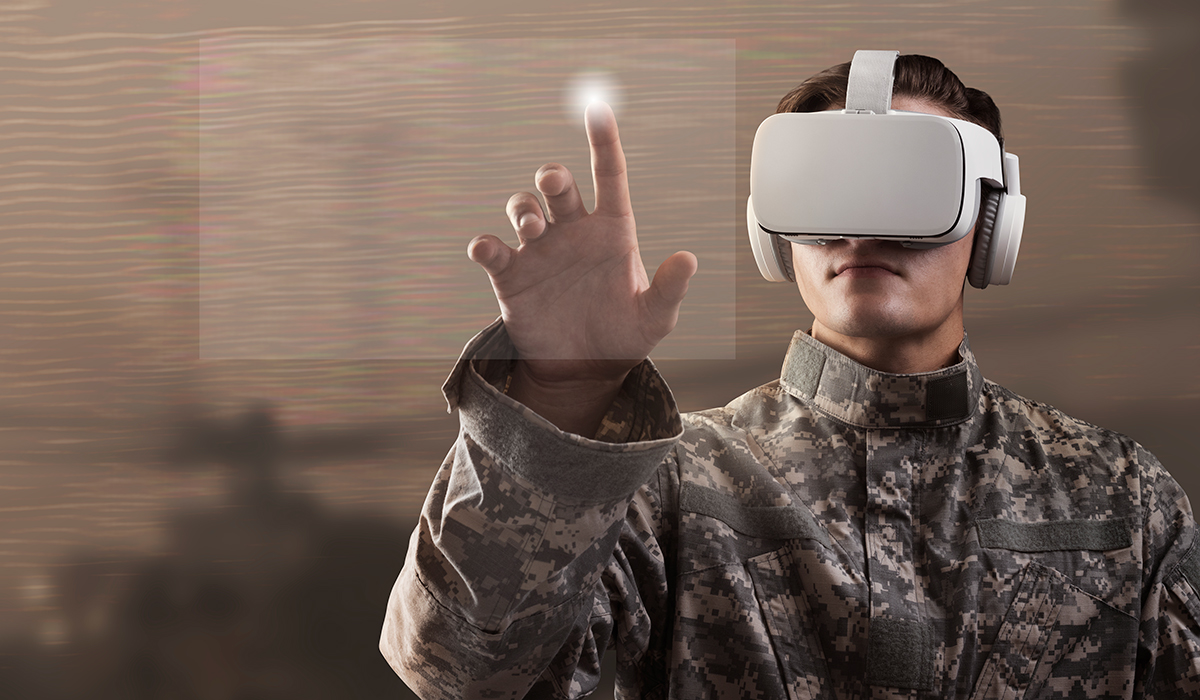
Public institutions have adopted immersive tools more slowly than private companies, but progress is visible. Many agencies now use VR for training and planning. Large projects are usually handled through centralized procurement systems. This helps maintain security and regulatory standards. In most cases, VR is treated as a supporting tool rather than a core platform.
Education and training
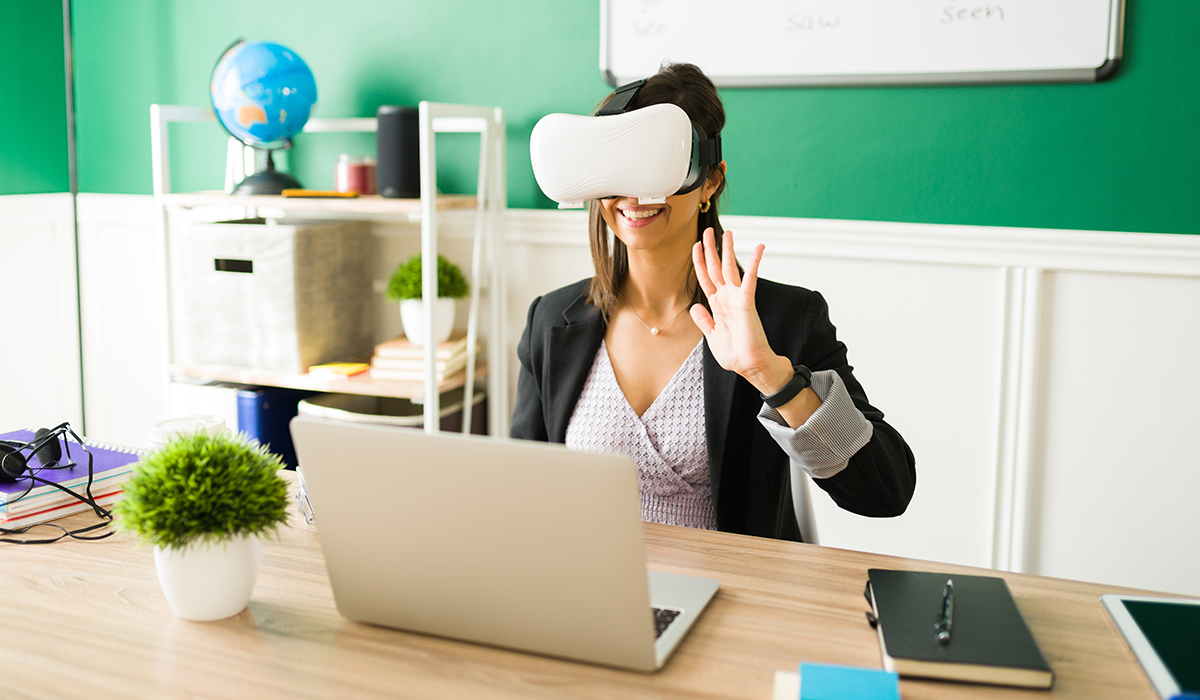
In education and professional training, VR is used mostly for practical tasks and basic simulations. Medical students, engineering trainees, and technical specialists often work with virtual scenarios before moving to real equipment. In many institutions, these systems appear first in small pilot courses or optional programs. Some projects are expanded later, others remain limited. Budget, available content, and staff experience still influence how widely VR is applied. In most cases, immersive tools support existing teaching methods rather than replace them.
Entertainment and gaming

Virtual reality continues to be used in entertainment, although it no longer attracts the same level of attention as in earlier years. Many developers now treat VR as one of several supported formats rather than as the main focus of a project.
In gaming, immersive features are most common in simulations, fitness titles, and small narrative projects. Large studios usually test VR elements gradually and rely on existing engines and tools instead of building separate platforms.
For most users, technical stability and comfort have become more important than visual effects. Performance issues, controller design, and motion comfort often influence long-term interest more than graphical quality.
Business and industry

In business environments, VR is usually introduced for specific purposes. Architects and engineers use immersive models to review projects. Manufacturing teams test layouts and workflows. Real estate companies rely on virtual walkthroughs when working with remote clients. In retail, some brands experiment with digital product displays. Results vary between organizations. In practice, adoption depends on cost, internal expertise, and system compatibility. Many companies continue using VR only in areas where it shows clear operational value.
Social VR at work

Most social VR platforms are designed for professional communication. Virtual meeting rooms and shared workspaces are the main formats. These systems are often connected to existing corporate tools. Teams can switch between video calls and immersive sessions without changing their routines. Purely social use exists, but it is limited.
Healthcare and rehabilitation
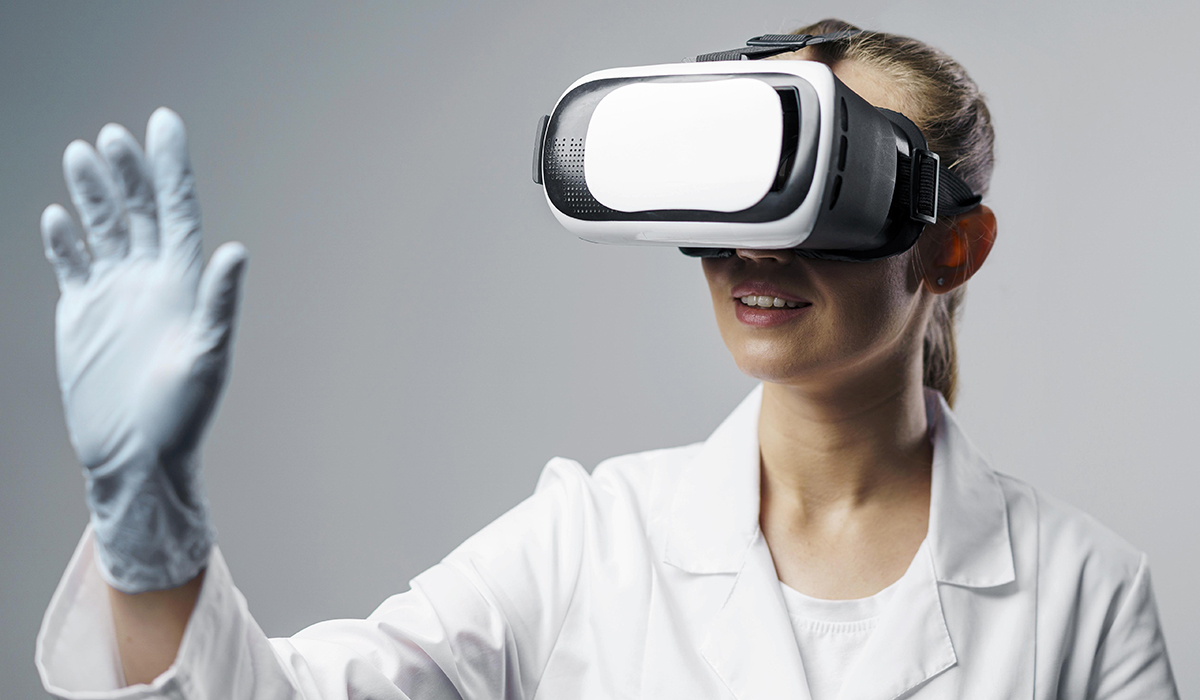
In healthcare, VR is now used on a regular basis in many institutions. Medical students train in simulated environments. Surgeons rehearse complex procedures. Rehabilitation programs combine immersive exercises with motion tracking. Mental health specialists use controlled virtual exposure. Many of these solutions are supported by long-term partnerships with hospitals and universities.
How companies work with VR in 2026
By 2026, most companies have already tried VR in one form or another. Some projects worked well. Others were stopped after pilot stages. As a result, expectations around immersive technology have become more realistic.
In many organizations, VR is introduced through small internal initiatives. Training departments, safety teams, or engineering units usually test new tools first. Only after that do larger deployments become possible.
Practical issues often matter more than strategy documents. Hardware needs regular replacement. Software requires updates. Employees need time to learn new systems. These factors influence long-term results more than early enthusiasm.
Another common challenge is integration. VR platforms rarely work in isolation. They must fit existing learning systems, reporting tools, and security policies. When this does not happen, projects tend to lose momentum.
In everyday practice, successful VR use depends on consistency rather than ambition. Teams that treat immersive tools as part of normal operations usually achieve better outcomes than those that rely on short-term initiatives.
Contact Program-Ace to steer the potential of virtual reality
Having a vision for the future of virtual reality is equally important. It’s about looking beyond the current trends and imagining the possibilities. What could the future of virtual reality look like? How can we leverage VR to create more immersive, interactive, and meaningful experiences? By envisioning the future, we can start to shape it today.
We’ve given you just a small taste of the future of VR for businesses, so what will your course of action be, stick to familiar technologies and existing solutions, or innovate and provide your clients/employees something more with virtual reality? A custom VR/metaverse app can work wonders for your business and establish your company as a pioneer in its respective field.
As a result of our tests, we determined that if you make the choice to build a VR app (or at least analyze how feasible it is), your first step should be to contact a reliable partner. For example, as an innovative solutions integrator, Program-Ace has been creating immersive apps for over 7 years, and our work has been recognized and praised by such respected agencies & organizations as Clutch, IAOP, and Goodfirms.
Our team is ready to build a custom solution that meets your business needs and incorporates even the most complex functionality. This might be a standalone training app, some kind of product simulator, or anything else you put your mind to. We can even aid in the creation of your metaverse. To learn more about our experience and past work, be sure to check out our portfolio.
To learn more about what we offer and how we can help, be sure to contact us to explore the potential of virtual reality.