
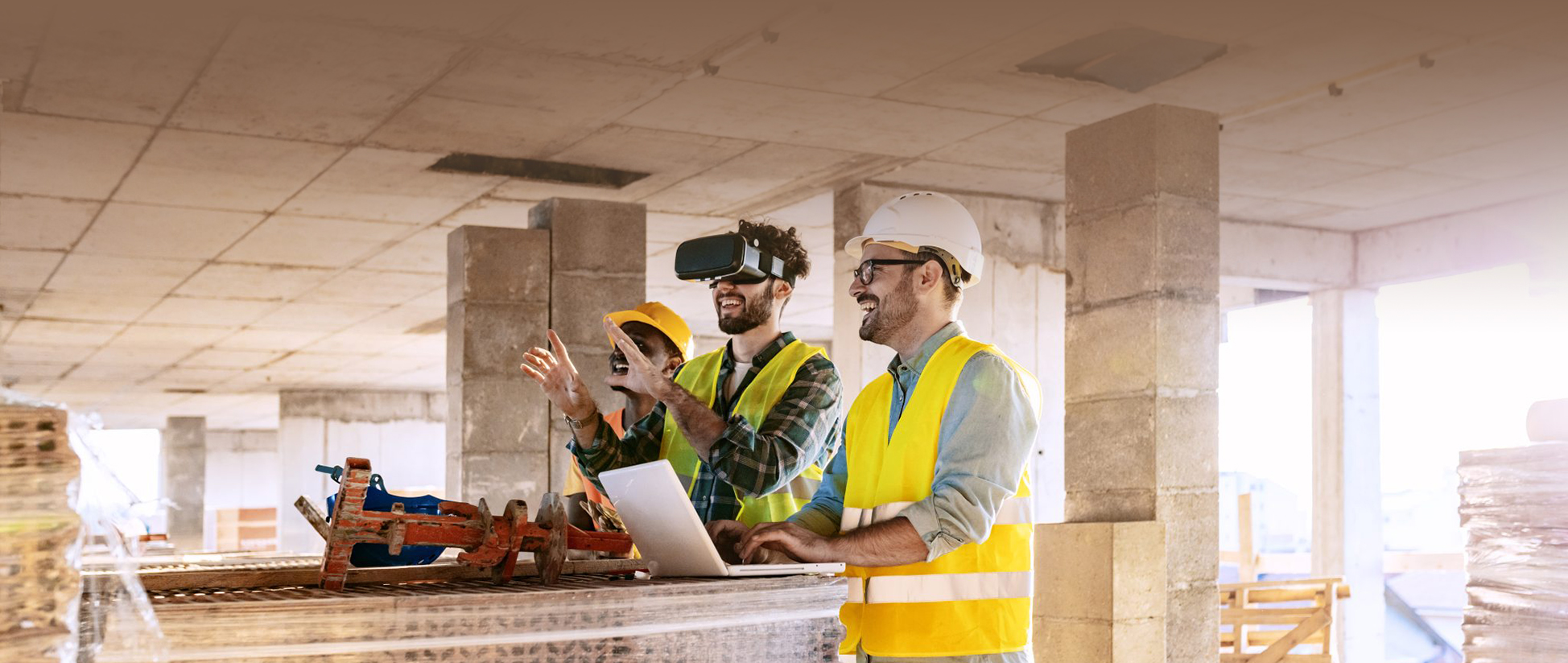
VR in construction lets teams walk through a building at full scale before it is built, using virtual reality to catch design clashes, train workers safely, and win client approval from a BIM model. It reduces costly rework, speeds up decisions, and makes safety training risk-free. This guide covers the main ways construction firms benefit from VR, with real examples and how to get started. The results are concrete: VR-integrated projects report up to 60 to 65% fewer design issues and faster, safer training, cutting costly on-site errors.
Construction professionals, acutely cognizant of the issues besetting the industry, have begun to embrace VR in construction as a promising solution. For example, a recent survey of 33 top UK construction companies found that 36% of them are open to implementing the technology in their operations.
If you are intrigued by the prospect of use this advanced technology in your own company, you’ve landed on the right page. Our focus here is to examine how virtual reality in construction can effectively address contemporary challenges faced by the construction industry, and the myriad ways in which it can enhance business performance.
We will also touch upon the role of VR as an innovative tool for training within this sector, use the power of virtual reality to create immersive, effective training scenarios for safer and more efficient work practices.
Want to know more about virtual reality?
A VR experience is a digital and visual simulation delivered via a special headsets, which runs software with a 3D environment, 3D objects and characters, as well as interactive options that can be accessed with tracked movements. You can learn more about VR from the series published by Program-Ace.
How VR solves modern construction problems
You may well be aware that construction is not a singular, linear process; rather, it encompasses many stages that a project must traverse. The noteworthy attribute of the VR in construction approach is its applicability that transcends individual steps or stages. This holistic characteristic of VR can be use to address challenges faced by diverse specialists within the construction field.
Virtual reality in construction is more than a tool limited to one stage or process; it can weave its technological magic throughout the construction journey. From initial planning and design to project execution and safety training, VR proves itself a reliable ally.
Let’s explore a little deeper into the multi-dimensional role of virtual reality within construction. Its potential to reshape the construction industry is significant, whether it’s facilitating more efficient planning processes, fostering more engaging training methods, or providing virtual walkthroughs for quality checks and client previews. With VR, the reality in construction is shifting towards a far more technologically enhanced, efficient, and safe industry.
| Modeling and Architecture Problems | |
| 1. Reduce time spent on revisions | |
| What is the problem: The process of crafting intricate 3D models for a building or a complex is typically a time-consuming and challenging endeavor. This is particularly true when the model is initially grounded in an existing structure. Designers and architects often spend numerous weeks fine-tuning, revising, and repeatedly visiting the actual location to ensure the right degree of precision and detail in their conceptual model. This is where virtual reality in construction comes into play. The process can be significantly expedited and streamlined by use VR in construction. Virtual reality construction allows designers and architects to virtually navigate the existing structure, providing them with a detailed and accurate sense of space and reducing the need for multiple site visits. | The solution: When a model is purposefully engineered for a VR experience, bolstered by including interactive options, it offers far greater adaptability to designers and modelers. This utilization of VR in construction enables them to swiftly evaluate alterations without remaking significant parts of the model. Moreover, it diminishes their reliance on frequent site visits or voluminous reference materials, thanks to the accurate simulation they can employ instead. This central role of virtual reality in the construction industry adds flexibility and enhances productivity and accuracy. Designers and modelers can use virtual reality in construction to inspect every design element in a realistic and immersive 3D environment. This also allows them to identify potential issues that might not be apparent in 2D designs. |
| 2. Provide content reusability | |
| What is the problem: Establishing a streamlined collaboration between architects and the team responsible for project execution post-3D design completion can be daunting. This complexity arises as 3D designs are typically created with a single-purpose focus, such as for presentation or testing purposes. Consequently, adapting these designs to the actual construction work and integrating them into Building Information Management (BIM) systems often demands a significant investment of additional time. Herein lies the potential for an innovative solution facilitated by the application of virtual reality technology in construction. By use VR in construction, the transition from 3D design to the realities of on-site construction becomes markedly more smooth. The virtual reality experience allows the project execution team to understand and interact with the design in an immersive environment. It gives them a deeper understanding of the project, reducing the likelihood of misinterpretations and errors. | The solution: Fortunately, models incorporated into VR software offer a significantly broader spectrum of applications, and their utility extends well beyond the preliminary planning phases of a project. With just a few adjustments, the software can be repurposed for the benefit of construction crews, engineers, and other stakeholders involved in the project. Such an approach eliminates the need for one team to discard or reconstruct 3D content, facilitating a smooth transition in project handover. So, now you are welcome to comprehend the power of VR in construction. It allows for integrating designs into a virtual reality platform, where they can be utilized across multiple stages of the construction process. The virtual nature of these models means they can be easily adjusted, shared, and interacted with, fostering better understanding and collaboration among various teams. |
| On-Side Construction Problems | |
| 3. Make training safer | |
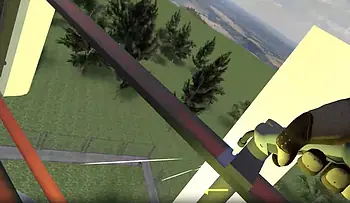
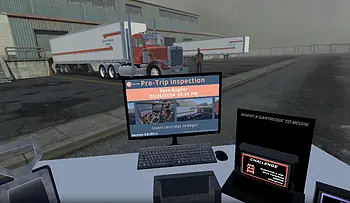
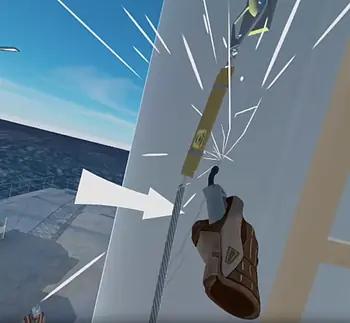
| What is the problem: Training construction workers to identify and circumvent potential hazards on construction sites, reduce risk, and adhere to safety protocols is critical. However, providing new workers with practical experience without subjecting them to physical danger presents a significant challenge, as traditional training exercises often fail to replicate real-world conditions accurately. At this juncture, the inclusion of VR in construction training emerges as a major tool. By offering highly interactive, lifelike simulations that closely mimic actual construction site conditions, virtual reality in construction presents a trailblazing solution to this quandary. With VR, workers can gain hands-on experience in a controlled, risk-free environment. | The solution: Virtual reality safety training presents a zero-risk environment devoid of any physical danger. As long as the simulation enables your staff to interact with machinery, objects, and other elements common to their workplace, they can develop muscle and visual memory just as they would in a real-life scenario. Even when they cannot fully replicate certain movements with their hands, VR training allows them to witness events unfold realistically, offering invaluable experience. The use of VR in construction training provides unparalleled flexibility and convenience. Notably, VR construction training can be conducted anywhere without needing professional gear or heavy-duty equipment, making it a remarkably accessible and practical solution for the construction industry. |
| 4. Boost worker engagement | |
| What is the problem: Undoubtedly, motivation serves as a key component in the space of construction workers’ productivity and efficiency. While an effective crew leader can maintain a disciplined and hardworking team, a decline in performance and work quality can be noted in workers who perceive their needs as overlooked. Using VR in construction presents innovative solutions in this scenario. By offering immersive and interactive training sessions, virtual reality in construction goes beyond skill enhancement, instilling in workers an understanding of their indispensable role in successfully completing a project. This understanding can invigorate their sense of responsibility, leading to augmented performance. | The solution: Most individuals generally find engaging in virtual experiences both enjoyable and intriguing. When these experiences are integrated into their work, curiosity and immersion don’t fade but amplify, especially in the context of VR in construction. Workers tend to appreciate the opportunity to interact with such advanced technology, mainly when it aids them in executing their daily tasks. In essence, implementing VR technology in the construction industry not only injects a sense of fun into the workplace but also leads to a more engaged, skilled, and efficient workforce. The fusion of virtual reality and construction work, thus, holds vast potential to reshape the industry, propelling it toward a future that is technologically advanced, productive, and enjoyable. |
| 5. Improve team coordination | |
| What is the problem: An ineffective organization often stands as a formidable barrier to efficient construction work. While it could be attributed to professional inadequacy, the blame usually falls on less grievous factors. For instance, the workforce may have needed better reference materials regarding the structure, or perhaps they still need to receive a detailed rundown of the day’s planned activities. Use the potential of VR in construction can play a major role in addressing this issue. Virtual reality in construction allows for a more detailed, comprehensive, and interactive presentation of reference materials. Through immersive VR simulations, workers can better understand the structure they are working on, enhancing their ability to perform their tasks accurately and efficiently. | The solution: A virtual digital replica is among the most potent resources and tools that can be offered to professionals in the field of construction. The power of VR in construction allows them to familiarize themselves with the intricate layout of a site thoroughly. But the benefits of virtual reality in construction continue beyond there. Additionally, these digital models provide an immersive preview of the tasks they are expected to carry out, thereby improving their task efficiency and readiness. Rehearsing their operations in a virtual environment allows them to streamline their collaborative efforts, honing their teamwork skills even before they set foot on the construction site. |
| Business Problems | |
| 6. Save on costs and materials | |
| What is the problem: Mitigating waste and redundancy is paramount in any construction project, especially for businesses focused on maintaining profitability, ensuring timely compensation for their workforce, and adhering to project timelines. Without meticulous planning regarding material usage and the scheduling of project activities, we often see materials being discarded or unused and specialized labor remaining unutilized at certain intervals. The power of virtual reality in construction can be use to tackle these issues. We can ensure optimal use of materials and labor by enabling precise planning and prediction through VR in construction. Not only can VR help visualize the result, but it can also facilitate the step-by-step execution of the project, significantly minimizing instances of material waste, optimizing the utilization of skilled labor, and in a broader perspective, improving the overall efficiency of the construction industry. | The solution: By integrating accurate interactive elements into the virtual reality in construction, such as simulating concrete work or electrical wiring, construction crews are better equipped to make precise estimates concerning the required materials before making any purchases. This application of VR in construction can significantly streamline the procurement process. In addition, these detailed simulations can help teams pre-emptively identify potential structural issues. These digital previews of potential challenges can help avoid them from reshaping into real, physical hurdles in the construction process. The result is a more effective and efficient workflow in the construction industry. Moreover, through these advanced virtual reality training opportunities, construction teams are further empowered to deliver high-quality results, enhancing the overall standard of the industry. Integrating virtual reality into the construction sector has reshaped how we visualize projects and optimize the practical aspects of construction. The fusion of VR technology and construction offers a future where structures are erected with utmost efficiency and precision. |
| 7. Make your presentations effective | |
| What is the problem: The presentation phase is a defining juncture toward securing project approval and funding, and as such, it should not be taken lightly. Despite possessing an outstanding project concept and design, the likelihood of its success can quickly diminish if you cannot present it in a realistic and visually captivating manner. Stakeholders and investors are eager for complete details and specifics. Virtual reality in construction can potentially reshape this stage of project development. Using VR in construction, you can offer an immersive, highly detailed tour of the proposed structure, allowing stakeholders to virtually walk through the project, experiencing it as though it were already built. The level of detail and immersion that virtual reality can offer goes beyond traditional presentation methods, helping to convey your vision more effectively. | The solution: An immersive presentation use by virtual reality possesses a striking charm that goes above and beyond the capacity of a 3D render, paper model, or even an animated video to portray your project. Allowing potential stakeholders to experience your vision through VR in construction is an exceptional strategy for creating a captivating display. This compelling argument underlines why the use of VR for real estate is highly beneficial. In the construction industry, this new era of immersive technology helps prospective investors, clients, and other stakeholders to visualize, interact with, and understand the proposed structures in a much more realistic and engaging manner. |
How is VR used in construction? Top examples
All over the world, we can find numerous instances of businesses using VR technology to improve their operations, and the construction industry is no exception. Let’s examine some notable cases in this field.
1. Singapore business center
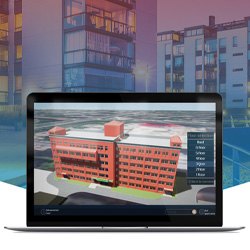
The “BIM Visualization App” from Program-Ace was used to create a detailed 3D representation of this facility. The simulation encapsulates a substantial multi-level structure, encompassing views of the external facade, interior architecture, floor layout, electromechanical components, and an on-ground walkthrough. This provides an immersive, complete perspective, improving facility management efficiency.
This piece of software catered to the requisites of the entity proposing the project while also addressing the requirements of the subsequent teams working on it, a range that included engineers, VR in construction crews, and maintenance staff. Moreover, this application of VR for real estate truly redefines our understanding of construction in the digital era.
2. New Rochelle downtown improvements

New Rochelle, a moderately populated city in New York, envisioned a revitalization of their downtown sector. To accomplish this, they opted for an innovative approach with the integration of VR in construction planning, designing an immersive platform that brought about three million square feet of projected enhancements and renovations to life with an all-encompassing 360-degree perspective.
This vivid virtual reality encounter was made accessible to the local residents via headsets and mobile devices, allowing the city planners to accumulate valuable feedback regarding the multitude of proposed reshape. This novel usage of VR for real estate and city planning exemplifies how technology is reshaping the construction industry.
3. VR Hotel
Program-Ace undertook yet another innovative projectin which a substantial hotel edifice, along with a supplementary simulation of the surrounding environment, was conceived through the implementation of VR in construction. Primarily crafted for promotional endeavors before actual construction took place, this virtual reality application introduced a range of interactive capabilities.
These encompassed navigation within the entire building structure, the personalization of room components and furnishings, and the transition between diurnal and nocturnal modes. Such an approach, combining VR for real estate with construction, represents an exciting frontier in the construction industry, reshaping the way structures are envisioned, marketed, and built.
4. Hospital Nova

Nova, a sizable healthcare institution in Finland, is on the cusp of finalizing its construction phase. The enterprise spearheading the project use the power of virtual reality in construction, leading to considerable influence on their project trajectory. This was achieved by creating a VR experience grounded in Building Information Modeling (BIM). The VR-BIM integration offered a detailed preview, ensuring smooth design execution.
For instance, this immersive experience was shared with the hospital personnel, eliciting their insights and proposals for modifications in the design. Moreover, it allowed the staff to familiarize themselves with their impending workspace, facilitating a smoother transition and adaptation process. Utilizing VR for real estate and construction is a major step forward in the construction industry.
5. Downtown resort

Embarking on a pioneering endeavor, Program-Ace took on a pathfinding project to ascertain the viability of constructing a sprawling resort in the heart of a bustling city. Our client sought our expertise, and we wholeheartedly accepted the challenge, use our expertise in VR for real estate to create an immersive and realistic virtual environment. The resulting simulation profoundly influenced urban planning perspectives.
Within this digital space, we meticulously crafted a captivating site, complete with an array of structures and a host of amenities. To enhance the user experience, we incorporated a dynamic walkthrough feature, allowing clients to navigate through the virtual space while providing limited interactive options to enrich their engagement further.
By use the power of virtual reality in construction, we allowed our client to visualize their ambitious resort project, thoroughly examining its feasibility and potential. This advanced application of VR technology showcases its major impact on the construction industry, empowering clients and developers to make informed decisions and unlock the true potential of their visions.
The costs of VR in construction
When considering the expenses associated with creating a VR experience, it becomes evident that these costs are relatively minor compared to the substantial budgets allocated for construction projects, which can easily soar into the millions or even billions of dollars.
Let’s examine some of the key components that contribute to the development costs:
-
Gathering visual references. Acquiring visual references of the desired location, whether through photographs, videos, or drone footage, forms an essential part of the VR experience creation process. While costs associated with this aspect are typically reasonable, it ensures the accuracy and authenticity of the virtual environment.
-
Hardware investment. Establishing a reliable infrastructure requires investments in the necessary hardware, including powerful computers, servers, and testing devices. While this incurs upfront costs, it enables smooth VR application development and operation.
-
Software licensing. Securing appropriate software licenses is key for building and deploying VR applications. These licenses ensure compliance and provide access to the tools and frameworks essential for creating immersive virtual experiences.
-
Developer and designer compensation. Paying skilled developers and designers is a significant aspect of VR project costs. Their expertise and contributions are instrumental in bringing the virtual reality vision to life. While individual costs for certain tasks may not exceed a few thousand dollars, the overall salaries for the development team can reach tens of thousands of USD, commensurate with their experience and involvement.
In the construction industry, it is common for businesses to opt for cost-effective and practical solutions by engaging external firms and companies with expertise in VR for real estate or construction. This approach often proves more affordable than establishing an in-house team and ensures access to specialized knowledge and resources.
Considering the grand scale and potential benefits of incorporating VR into the construction industry, the investment in these VR experiences represents a worthwhile endeavor. It unlocks new possibilities for visualizing projects, enhancing stakeholder engagement, and ultimately contributing to the advancement of the construction industry as a whole.
Should you use VR for your next project? Let’s review!
Even before VR became popular as a business solution, the construction industry already came to rely on BIM (which uses various software solutions), so VR apps seem like a natural extension of this trend. In the next few years, it should become even more apparent how virtual reality is changing architecture and adjacent industries.
Just to recap, businesses can get the following benefits of VR in construction:
 Cut construction costs and reduce waste
Conduct training safely and remotely
Speed up project planning
Boost worker engagement
Present and market their project with style
Even if VR development falls outside your company’s area of expertise, you should know that creating such an experience is absolutely accessible. Hundreds of software development companies with experience in immersive solutions are operating on the market today, and you can certainly find a reliable partner that offers VR construction services.
Don’t know where to start? You are welcome to contact us, and we will gladly discuss how your project can be brought to life. Program-Ace has a long history of building solutions for this industry, and it would be an honor for us to help you improve operations and achieve your project goals.