

VR training costs roughly $40,000 to $180,000 for an average-quality custom solution, with complex or multi-module programs running into the hundreds of thousands.
The final figure depends on scope, content fidelity, timeline, and the headset platform. This guide breaks down what drives the cost of virtual reality training, compares platform pricing, and shows how to build a cost-effective solution.
VR has become a standard corporate training tool, accelerated by remote work and automation, because it lets employees rehearse real tasks safely and repeatably. The catch is that effective VR training is custom-built to an organization’s needs, so the natural question is what that costs.
How much does VR training cost?
An average-quality VR training solution with no unusual requirements costs $40,000 to $180,000.
Complex projects reach hundreds of thousands of dollars, and full training series can run into the millions.
The spread is wide because several factors move the number up or down, which also means there is real room to optimize spend. The immersive experience needs a higher upfront investment than classroom training, but the long-term gains, better retention and safe practice of dangerous scenarios, usually justify it.
Cost also falls over time as the technology matures and competition grows, so VR training keeps getting more accessible. The key is to weigh the VR training cost against the concrete benefits it delivers for your specific programs.
What determines the development price
Five factors decide where a VR training project lands in that range.
- Timeline. A rushed delivery needs more developers and overtime, which raises the price. A normal pace with adequate time costs less.
- Team expertise. A senior team ships faster and cleaner. Outsourcing to mostly-junior developers stretches the timeline and adds bug-fixing hours, which raises the final cost.
- Equipment. Complex 3D work needs powerful hardware to keep development on pace; top teams invest in it to hit deadlines and protect the budget.
- Content detail. Realistic high-poly modeling looks impressive but is not always the right call. The fidelity level a company actually needs moves the price up or down.
- Specific requirements. A fully custom solution with many training scenarios and deep functionality costs more upfront, but covers all the company’s needs, so it is more cost-effective long term.
VR training cost by platform
The headset platform is a real cost lever, so it is worth attention up front, weighing technical fit, per-unit cost, and any fees.
For enterprise VR training, three platforms cover most cases: Meta, HTC Vive, and Valve Index. Note headset models and pricing change frequently, so confirm current figures before budgeting.
VR training with meta
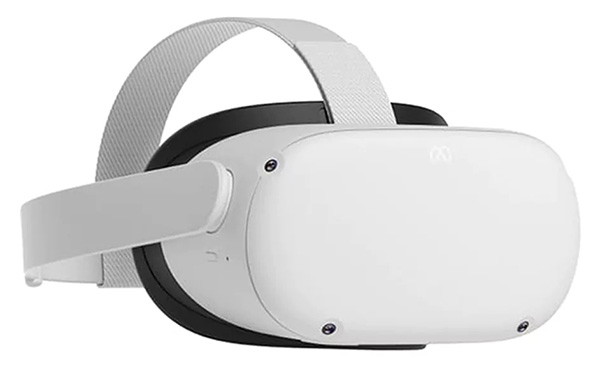
Meta (formerly Oculus, acquired by Facebook) is one of the most popular VR hardware makers, and its standalone headsets serve both consumers and enterprises.
Many industries choose Meta Quest app development for training because the hardware is affordable while still supporting high-quality graphics and extended functionality. Hilton, for example, has used Meta headsets to train staff on hospitality and guest empathy. Meta’s enterprise tier carries a per-device management subscription (around $14.99 per device after the first year), so factor that into a fleet deployment.
VR training with HTC Vive
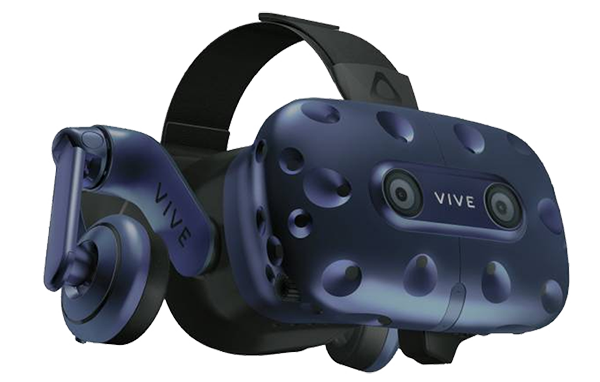
The HTC Vive range runs from the accessible Vive models to the high-end Vive Pro 2, which suits detailed training with its high-resolution display (2448 x 2448 pixels per eye) and accurate tracking, plus room-scale support for physically active sessions. The Vive Business Edition adds enterprise support and device management.
The Vive Pro 2 starts at around $799, which brings access to Vive’s ecosystem for building and deploying custom training.
VR training with valve index
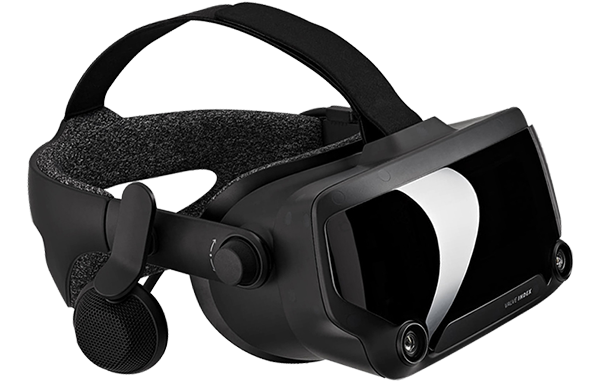
The Valve Index is known for build quality and finger-level hand tracking, which suits advanced training that needs fine motor skills and spatial awareness.
It offers a 1440 x 1600 per-eye resolution at up to 144 Hz with a wide field of view, tethered to a high-performance PC to run graphically intensive modules. The complete kit (headset, controllers, base stations) starts around $999.
How to build a cost-effective VR training solution
Better-trained employees produce better business results, but only if the training solution is well-planned and well-executed. The right technical partner delivers effective VR training solutions matched to your needs and budget.
Program-Ace has delivered software since 1992 across 900+ projects, with a team experienced in XR, development, testing, 3D modeling, and management. Whether you need full-cycle development or dedicated specialists to build a custom, cost-effective solution, contact us for an offer matched to your project.