

Digital transformation in banking is the shift from manual, branch-bound processes to fully digital services that customers reach from a phone. By 2025, over 90% of banking interactions happen digitally and 72% of U.S. adults use a mobile banking app, up from 52% in 2019. The question for most banks is no longer whether to transform, but which changes pay off. This guide covers the strategies that work, including gamification, and how to start.
What is digital transformation in the finance industry?
Digital transformation, sometimes called digitalization, moves bank processes from outdated technology to digital ones. Customers who once queued for a loan now submit the request and get a decision on the bank’s website or app. The scale of the shift is large: 3.8 billion people are projected to use mobile banking by the end of 2025, and the global neobanking market is on track for roughly $262 billion the same year.
Below we examine the top proven strategies for digital transformation in banking, including business-process gamification, and help you take the first steps toward putting them in place.
What are the benefits of digitalization in banking?
A sound digital strategy pays off across the business, from the customer experience to internal operations. Here is how it helps each side.
Benefits for customers:
-
Fast service. Mobile support is a staple of digital banking. Customers log in and reach services through an app or browser from a phone or tablet, without waiting for a branch to open.
-
No time restrictions. Branch hours end, but online systems run 24/7. Anything that can be automated without human oversight is available at any hour.
-
Payment flexibility. Beyond credit and debit cards, customer-friendly banks add phone and smartwatch NFC, fingerprint, and in some markets facial-recognition payments.
-
Accessible information. Financial advice and account data no longer require a branch visit. Digital systems provide instant, updated account information plus guides and online support.
-
Control. Giving customers more tools to manage their money is a psychological win that carries into business results. People who feel in control of their finances stay more comfortable with the bank.
Benefits for banks:
-
Lower costs. Automation cuts manual work, and self-service reduces branch visits, so fewer consultants are needed for routine tasks. The impact lands directly on the bottom line.
-
Better organization. Enterprise-focused tools tighten internal operations. A digital staff-planning and scheduling system, for example, makes meetings and coordination more effective.
-
Competitive edge. More options for personal banking build reputation. Become the most innovative provider in your region and growth follows without a constant push to raise transaction volume.
-
Stronger security. A full transformation can consolidate the tech stack. Moving to one platform is easier to defend than a patchwork of dozens of separate tools.
-
Less paperwork. Some paper will always remain, but digital records make files far easier to manage and retrieve. This is often the most visible effect of digitalization in the banking sector.
What are the most effective types and features of digital banking?
Definitions of digital banking vary, so here are the solutions most widely used across the financial industry today.
Digital banking types:
-
Online banking. A key component and a must-have. Online banking through app or browser became the U.S. standard as early as 2006 and is now offered by nearly every financial institution worldwide.
-
B2B payment integrations. Businesses outside finance connect to bank APIs or payment systems like PayPal or Xsolla so users can pay through their bank’s online systems faster.
-
Mobile wallet. Cards with a chip added to Google Pay or Apple Pay remove the need to carry plastic, paying with a single gesture from a phone or smartwatch.
-
Terminals. A middle ground between old and new banking, terminals still handle cash but complete operations faster and more conveniently than a branch counter.
-
Financial planners. Planning tools track daily, weekly, and monthly finances, and some are endorsed by banks with account integrations built in.
Digital banking features:
-
Quick registration. Opening an account, once a slow procedure, now takes a few clicks with a fully digital sign-up that requires no branch visit.
-
Biometric verification. As fingerprint and face recognition spread through smartphones, banks let customers use them to access account features instead of a password.
-
Automated payments. Utilities, subscriptions, and recurring bills are easy to miss, so banks reserve and pay set amounts automatically on schedule.
-
Instant notifications. Push alerts show every transaction the moment it happens, without opening the full app to check a statement.
-
Rewards. Loyalty programs, giveaways, and deals keep clients engaged, often extending to services beyond banking itself.
-
Fast support. Live chat, voice support, or a query system helps customers handle any difficulty on the service, which is essential for any digital financial product.
How does gamification in digital banking work?
Gamification adds game elements to tasks that are normally serious. In banking it can make everyday actions, paying bills for customers or filing reports for staff, feel rewarding. Where most digital transformation targets function, gamification improves the quality of the interaction itself, between client and bank or employee and company.
You can apply different types of gamification, and they share one aim: reaching the user on an emotional level. In fintech, gamification turns learning and routine tasks into something people want to finish. For customers, that might mean a character acting as a virtual assistant, or mini-games that grant real rewards. For employees, gamified solutions support onboarding and productivity, letting staff track work and feel good about progress.
Banking gamification examples
1. ZA Bank
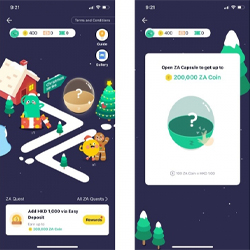
ZA Bank, based in Hong Kong, found a creative way to get customers through simple setup steps. A mini-game in the app asks users to complete tasks like enabling notifications and verifying an email, shown through animation, with real bank-credit rewards for finishing.
2. Fampay
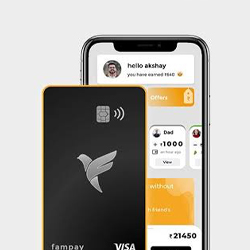
Fampay, a fintech from India, aimed its gamification at teenagers. Because its model is built on letting teens pay online and offline, it wove game elements into the transaction app as a fun tutorial before any real money is spent.
3. Bettr
Bettr, a virtual banking platform, tailored its app to a young, tech-savvy user base. That includes bringing AR into the app and giving certain operations the animation and dynamics of a game.
4. Monobank

Monobank, a leading Ukrainian neobank with a fondness for cats, uses them across its app artwork and pairs them with a badge and reward system that turns ordinary payments into a collection game.
What does it take to integrate digital banking?
To bring digital banking into your business you need two things at minimum: a clear vision of the functionality you want, and an application that meets your business requirements.
Without in-house developers, the second part is where teams get stuck. Plenty of firms offer software development services; look for one with fintech experience and a track record in the solutions you need, and they can run the process from the first step.
Program-Ace is one such partner, delivering fintech solutions backed by careful business analysis. We also build gamification into banking products, as we have on many projects. With delivery since 1992, we bring high software quality, reliable timelines, and a clear grasp of your business goals. When you are ready to build a next-generation banking solution, contact our team.